VosaHomes
Personalized real estate guidance throughout Dallas–Fort Worth and the surrounding North Texas communities.
8
Five-Star Google Reviews
11
Communities Served
DFW
Local Market Expertise
1:1
Personal Guidance

Victoria Umukoro
Agent·License ID: 0817471
Real Estate Made Personal
Every move begins with a different story. Whether you're buying, selling, relocating, or simply exploring your options, find the guidance you need to move forward with confidence.
 Buying
Buy a Home
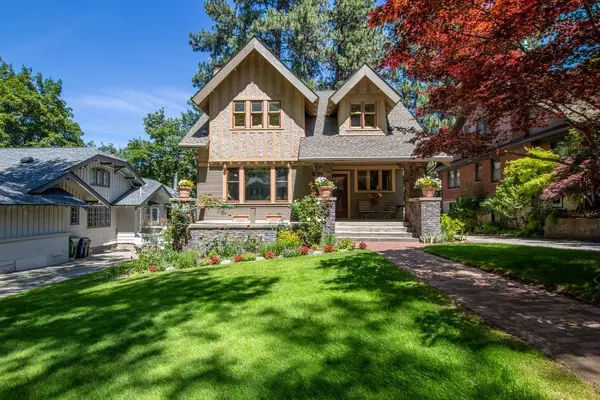
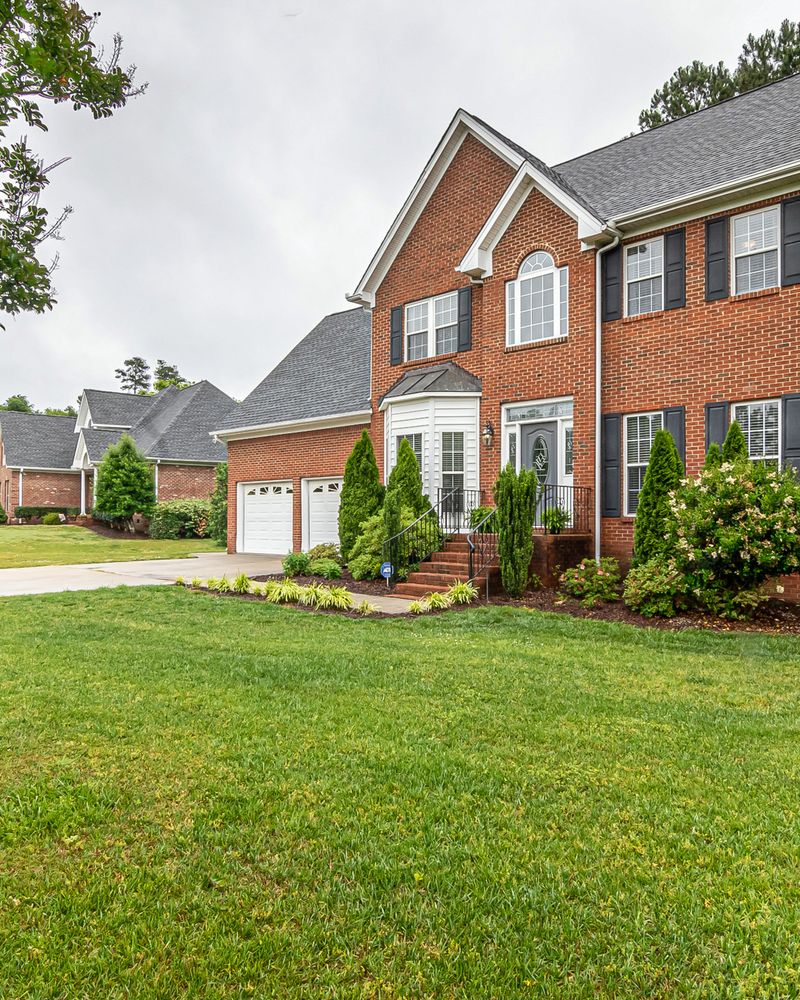
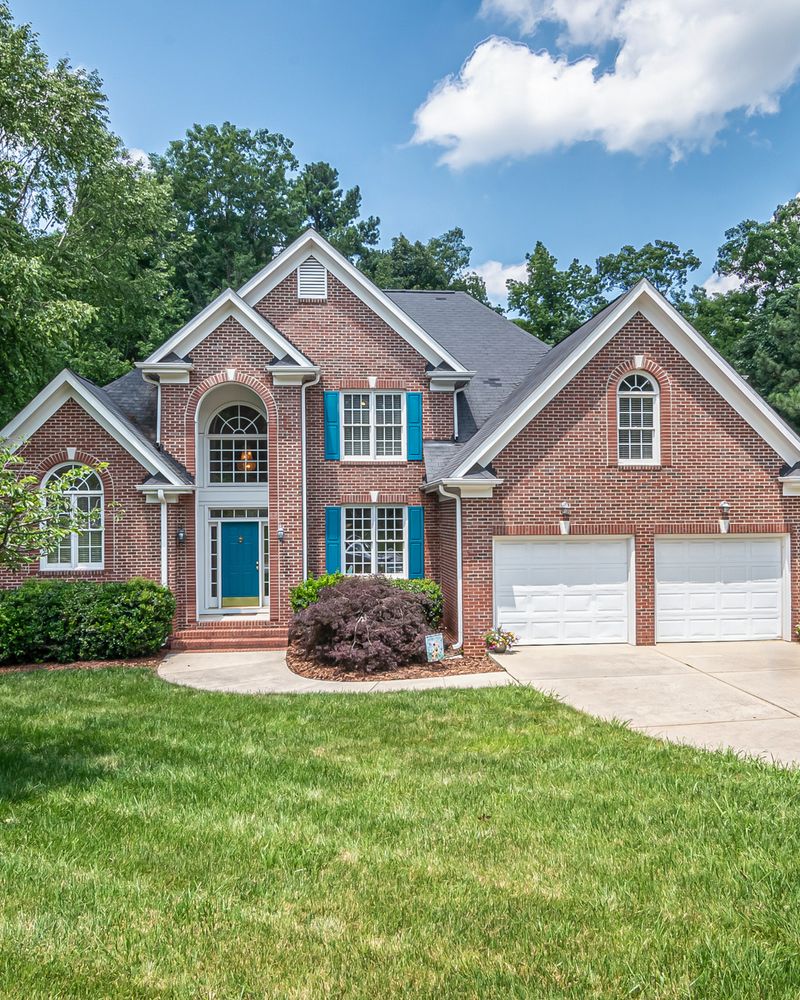
Explore available homes across Dallas–Fort Worth and find a property that fits your lifestyle and goals.
Find Your Home
 Selling
Sell Your Home
Make your next move with a personalized selling strategy and guidance through every important decision.
Start Selling
 Valuation
Discover Your Home's Value
Understand your property's potential market value before deciding what comes next.
Get My Home Value
 Communities
Explore Communities
Get to know the neighborhoods, cities, and lifestyles that make North Texas a place to call home.
Explore DFW
FEATURED AREAS
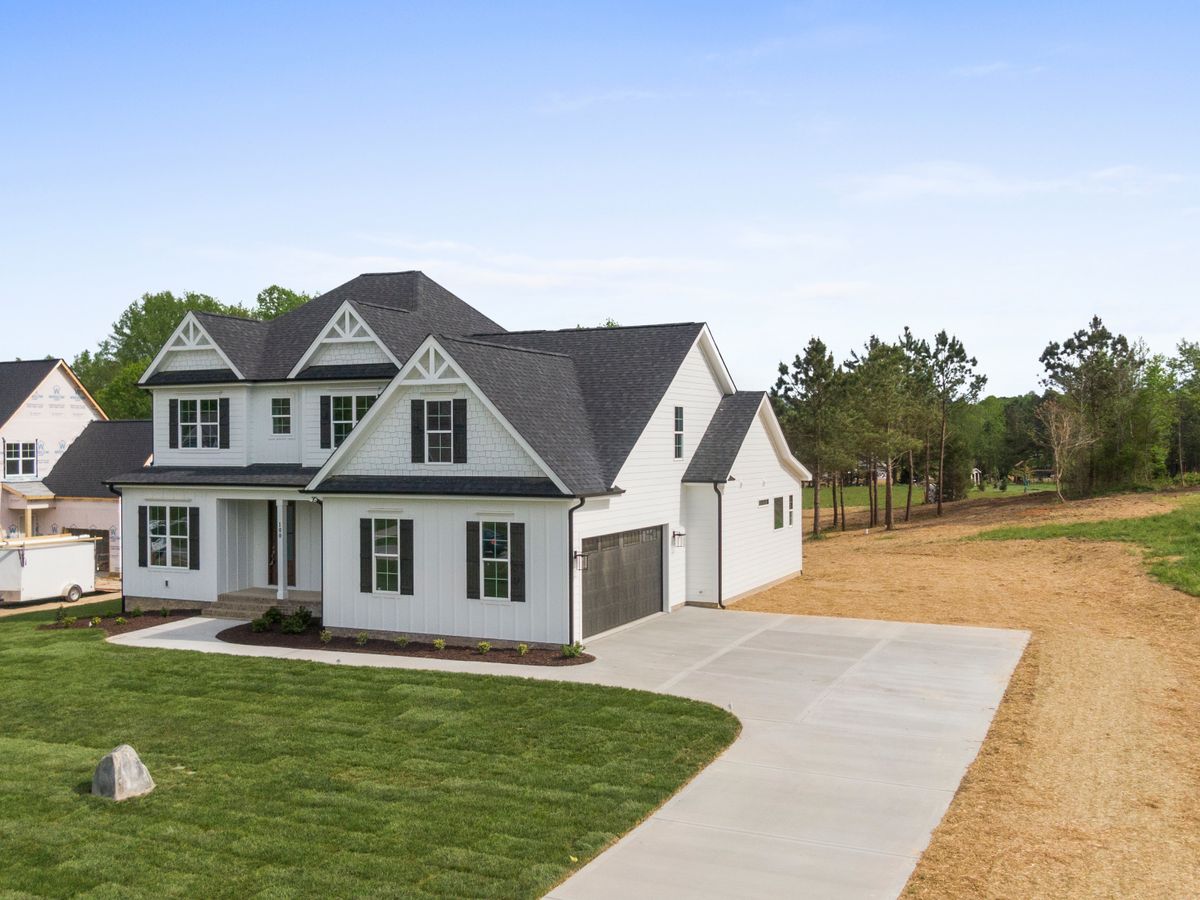
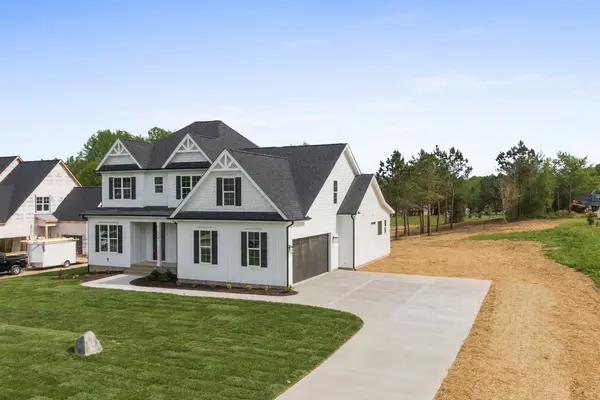
Discover New Construction in North Texas
Explore the possibilities of a newly built home, from contemporary floor plans and thoughtfully designed living spaces to growing communities throughout Dallas–Fort Worth.
Whether you're considering a move-in-ready property or exploring the building process, Victoria can help you navigate your options.
Explore New ConstructionPersonal Guidance. Meaningful Results.
Honest Communication
Clear conversations and practical information to help you understand your options.
Personalized Guidance
Support centered around your goals, circumstances, and priorities.
Local Perspective
Explore Dallas–Fort Worth communities with attention to the places and features that matter to you.
Patient, Dedicated Support
Move through important real estate decisions with guidance at every stage.
Essential Insights for DFW Home Buyers
How much should I budget for a down payment?
Down payment amounts vary by loan type and financial profile. While 20% is often cited as a benchmark, many buyers put down less — and some loan programs are designed specifically for first-time buyers. The right number depends on your goals, your savings, and what your lender can confirm you qualify for.
What distinguishes pre-qualification from pre-approval?
A pre-qualification is an early, informal estimate based on information you share. A pre-approval follows a lender's review of your documentation and gives you a clearer picture of what you may be able to borrow. For most buyers, a pre-approval is the stronger starting point before making an offer.
How does my credit score impact mortgage rates?
Credit history is one of the factors lenders use when pricing a loan. Generally, a stronger credit profile can open the door to more favorable terms. A lender can review your situation and explain the options available to you.
What are typical closing costs?
Closing costs commonly include lender fees, title and escrow charges, prepaid taxes and insurance, and other third-party expenses. Because they vary by transaction, ask your lender for a written estimate early so there are no surprises at the finish line.
How long does the homebuying process take?
Timelines depend on the market, the property, financing, and how quickly the right home appears. Some buyers are under contract within weeks; others take months to find the right fit. A clear plan and early preparation help keep the process moving.
Can self-employed buyers qualify for a mortgage?
Yes — self-employed buyers can qualify. Lenders typically ask for additional documentation such as tax returns and profit-and-loss statements to verify income. An experienced loan officer can walk you through what will be needed.
What components make up my monthly mortgage payment?
A typical monthly payment includes principal, interest, property taxes, and homeowners insurance — often called PITI. If your loan requires mortgage insurance or HOA dues apply, those may be included as well.
What is a 2-1 buydown, and how does it work?
A 2-1 buydown is a financing arrangement where the interest rate is reduced in the first two years of the loan — typically by 2% in year one and 1% in year two — before returning to the note rate. It can ease the early monthly payment, and the terms should always be reviewed with your lender.
Who covers the 2-1 buydown costs?
The cost of a buydown is usually paid at closing, and who covers it can vary — sometimes the buyer, sometimes the seller or builder as part of a negotiated offer. Your lender and agent can explain the structure before you commit.